
BY KAREN WANG | CONTRIBUTED BY ABBY BERG, OT
I just got the call: school is canceled due to snow and subzero wind chill. After the initial excitement came the question from my children: “What will we do?” Sleeping late is not an option; a high energy level means that cabin fever sets in around 9 AM. As it turns out, I have a few tricks to make sure everyone has fun while working toward our therapeutic goals on a snow day. 15 tricks, in fact:
1. Bring the snow indoors
First, we get two containers with lids, fill them loosely with snow, and tuck them in the back of the freezer for our annual July snowball fight. Then we get even more snow for the bathroom sink. Some measuring cups and spoons and a few drops of food coloring in various colors provide instant entertainment and sensory integration therapy with easy clean-up.
2. Shoveling
Occupational therapists recommend “heavy work,” defined as physical exertion of force to move objects, for a variety of medical conditions and disabilities that involve low muscle tone or sensory processing difficulties. Shoveling snow instead of using a snow blower is the perfect opportunity to strengthen muscles in the upper body. We have shovels in four sizes at our house so that each person can shovel to the best of his or her ability.
3. Play outside!
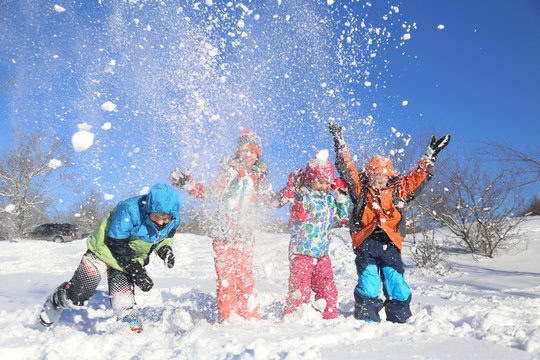
Once you put on boots, snow pants, a coat, waterproof mittens, and a hat, it takes some extra effort to walk. Then the layer of snow on the ground requires still more effort to move. Even just a few minutes of snow angels, tunneling, a snowball fight, igloo-making, and snowman-building will warm up muscles in the legs, chest, back, shoulders, and arms. Sometimes snow is the right motivator to work on physical therapy goals.
4. Sledding
Sledding on large hills is amazingly fun, but also possibly dangerous even under the best conditions. The snow mounds created from shoveling the driveway are much more accessible sledding hills that can be shaped according to a person’s needs. A sled with an attached rope is also helpful for pulling a person unable to walk in the snow.
5. Skating
Learning to skate on ice is a lesson in balance. It’s also a lesson in sensory integration since it exercises the vestibular system.
6. Play with neighbors
Consider inviting your neighbors to play outside with you, since you know that they’re also homebound. It’s an opportunity to review and practice emerging social skills.
7. Swimming
When the kids are tired of the cold and the roads have been cleared, I usually find a recreation center with an indoor pool that has open swim time. In addition to being an excellent way to exercise and strengthen muscles, water has a calming effect on many people with neurological conditions. The Friendship Circle’s activity rooms are another fun option for sensory play on a snowy day; we especially love to spend time in the water room, sand room, light room, and gross motor room.
8. Mall
We often head to the mall to walk indoors when the outside temperature is too low for outdoor play. The visual stimulation provides plenty of material for conversation, so we work on speech goals.
9. Board games
Eventually, my children do slow down, and that’s when we break out the board games. Board games require turn-taking, counting, and social skills.
10. Clean and organize
Having nowhere to go means there’s plenty of time to sort through a drawer, cupboard, or even a whole closet. Besides being a treasure hunt, sorting and organizing are important executive function skills. Keep it short and sweet for maximum effect.
11. Movie
I often provide a reward immediately following a chore. A movie with popcorn or hot chocolate is a relaxing family activity that everyone can enjoy on a winter day.
12. Read
Reading to oneself, reading to others, and listening to a story are all paths to literacy and language fluency. Pull some favorite books off the shelf at home or make a trip to a local library so that everyone has a book to read at the right level.
13. Crafts
Crafts can help with fine motor skills and creative thinking. Consider making a gift for a friend or family member:
- Homemade playdough
- A thumbprint zoo or handprint picture
- A photo frame out of cardstock
- Cut snowflakes out of paper and glue them onto cardstock
- Teach your child how to write an acrostic poem using the word SNOW, or a snow-themed haiku poem, then paste the poem onto construction paper and decorate it using any materials you have at home
- Trace a simple picture outline on canvas and paint it
14. Cooking
Cooking is a wonderful life skill and a wonderful way to express creativity. Pick a recipe and work together.
15. Greenhouse or botanical garden
We used to live near a botanical garden with a large indoor conservatory. On a snowy day, it was like an instant visit to the tropics. If you don’t live near a botanical garden, look for a greenhouse or a year-round nursery for a quick escape from winter.* It’s always summer in a greenhouse!
* The MN Zoo offers indoor sections if it is too cold outside!
ORIGINAL ARTICLE:
PHOTO CREDIT: https://animalia-life.club/qa/pictures/kids-playing-in-snow

