THE MOVEMENT MAMA – DEVELOPMENTAL SUPPORT IN BABIES AND TODDLERS
- PULL LOOP (SIDE OR BACK): Let’s start simple. Just trust me when I say this will make your life 10,000x easier when it comes to getting those chubby little feet into their shoes.
- VELCRO STRAPS: Baby feet come in all shapes and sizes. And as toddlers grow, they lose the fatty tissue on their feet at times when their foot length may not actually change. Velcro straps not only allow for easy adjustability for comfort, but also encourage independence at a younger age when they’re able to put shoes on/off themselves. You may not want to teach this if you don’t want every car ride to end with them kicking off their shoes, or you may just learn to not put shoes on until you reach your destination 🙂 I’ll let you decide. If you’re struggling to fit babe’s chunky feet in shoes, check out this reel. I also wanted to let you know that Ten Little now offers strap extenders and removable insoles, which are PERFECT for chubby feet or orthotics!
- SLIGHT TO NO TOE RISE: Learning to walk is hard. Falling isn’t fun, but it’s a necessary part of learning. I love finding a shoe with just a slight toe rise for a new walker. Excessive toe rise isn’t necessary, but giving our new walkers a bit of an advantage against tripping over their toes is helpful and encourages them to keep trying to walk for more of the day. After they’re a confident walker, we want that toe box to lie flat, as our feet do.
- WIDE TOE BOX: Below is an amazing visual from My Foot Function that demonstrates WHY a wide toe box is so crucial in spring and summer shoes for new walkers. Sure, you may be able to slide your toddler’s feet perfectly into a shoe while sitting, but when they stand, their foot and toes splay out. It’s no wonder so many kids complain about shoe-wearing at first. They’re used to letting their piggies free.

- PROTECTIVE, FLEXIBLE SOLE: The biggest indicator that a child needs to switch from a soft-soled moccasin to a shoe with an actual footplate is when they begin walking in the community. Meaning they may encounter rocks, sticks, mulch, heat/cold, sharp objects, etc., and we need to protect their feet. And while we want the sole to be thick enough to prevent penetration of sharp objects, we also want it to be flexible enough for your little one to feel surface changes beneath their feet. This not only helps them be more balanced by giving them lots of feedback about where their body is in space + how to adjust their walking accordingly, but it also helps to strengthen the tiny muscles of the foot and ankle that are necessary for developing the arches of the foot, as well as the stability required for higher-level motor skills.
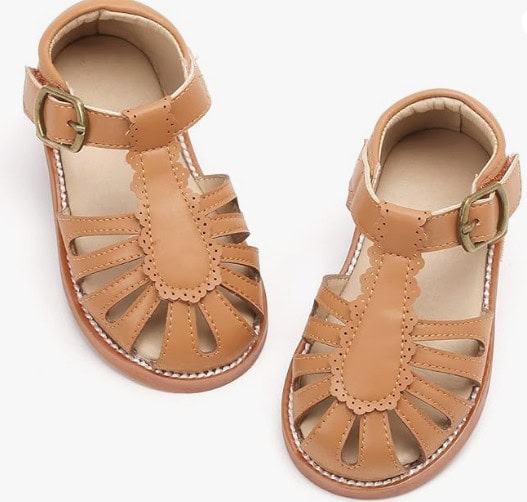
- MINIMAL POINTS OF ENTRY for rocks/mulch/sand, etc.: this one is pretty self-explanatory, but trust me, I’ve learned the hard way! Spring and summer shoes for new walkers with closed toes will also help protect against sidewalk scuffing!
- WATERPROOF OR QUICK-DRYING: Spring and summer call for lots of fun splashing in puddles or splash pads! The last thing you want is a shoe that rubs blisters when wet or makes them uncomfortable! I find that unless it’s a shoe only for school/dressy occasions like church, having a waterproof or water-friendly option is ideal!
For more information, visit:
https://themovementmamablog.com/post/spring-and-summer-shoes-for-new-walkers
PHOTO: AMAZON.com