BY HEIDI DUMMER, LICSW, OTR/L
While welcoming babies is a universal human experience, the specific field of infant mental health has gained significant focus over the last 75 years. We now understand that social, emotional, and psychological development starts at birth.
The Foundation of Infant Mental Health
Though we typically don’t recall events before age three, we retain implicit (somatosensory) memories from our earliest days. Research shows that how we are held, spoken to, and kept safe during infancy profoundly impacts our emotional health well into adulthood. Fortunately, we can use this knowledge to foster healthy self-regulation and emotional growth from day one.
Strategies for Nurturing Your Child
- Be Responsive: Notice and respond to cues such as crying, cooing, and smiling to build a secure attachment.
- Interact Verbally: Read, sing, and narrate your daily activities to support language and cognitive development.
- Create Routines: Consistent rituals—like a morning song, infant massage after a bath, or a bedtime story—provide a sense of safety and predictability.
- Respect Their Uniqueness: Every child develops differently. Observe their specific “clues” to understand what they uniquely need.
- Prioritize Self-Care: Parenting is demanding. Ask trusted friends or family for help, take breaks when possible, and join a support group to connect with others on a similar journey.
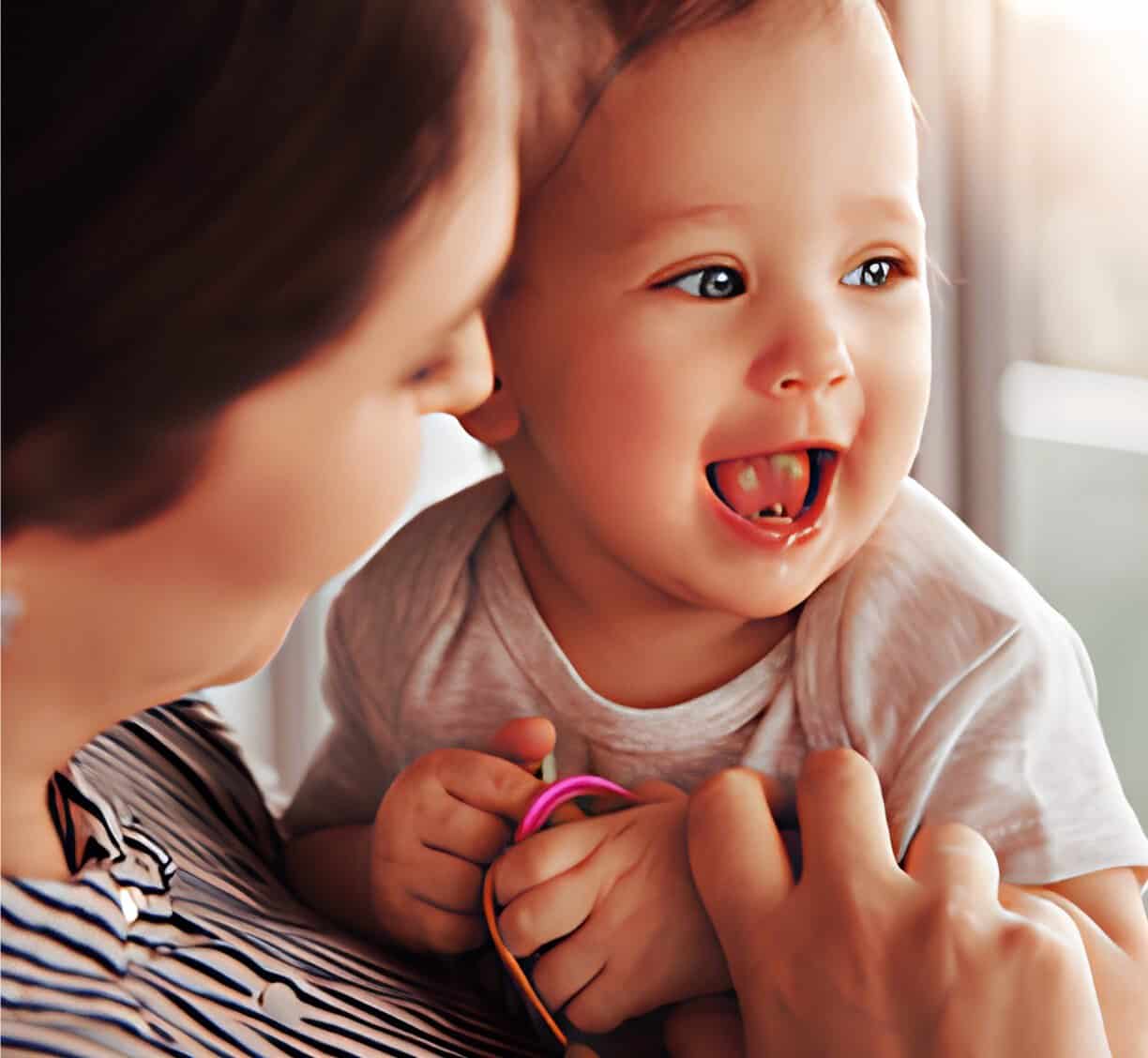
- “Serve and Return” Interactions: Like a game of tennis, when an infant “serves” a look or sound, and the caregiver “returns” it with a response, it builds the actual architecture of the developing brain.
- Co-regulation: Infants cannot calm themselves alone; they rely on a caregiver’s calm presence to regulate their nervous system. This “co-regulation” is the prerequisite for developing future self-regulation skills.
- The “Good Enough” Parent: Mental health experts emphasize that you don’t have to be perfect. Attuned caregiving needs only to occur about 30–50% of the time to build a secure attachment, provided you “repair” the connection after a disconnect.
If you ever feel overwhelmed or anxious about parenting, don’t hesitate to reach out to a trusted provider or community mental health agency. There are specific types of therapy for families with very young children that can help improve the mental health and resilience of the whole family!
MINNESOTA RESOURCES:
- Early Childhood Family Education: All school districts offer ECFE classes, which can help you find support from others with similarly aged children, learn about appropriate development, and, as children get older, access separation classes to build confidence in you and your child.
- Minnesota Association for Children’s Mental Health: Offers a variety of resources and training for caregivers to help support optimal mental health development:https://macmh.org/
- Amma Parenting: Provides numerous resources on their website and also in-person classes. Many people make lifelong friendships in these groups! https://ammaparenting.com/
Given what we have learned about infant mental health and the variety of ways to receive support and education, I hope you feel confident in your parenting from day 1!
Heidi Dummer, LICSW, OTR/L, Inflection Point Therapy, LLC, heidi@inflectionptmn.com, 952-222-8260